February, 2024
Kickoff and Figma Breakdown
We broke down the Figma prototype, modeled the four-level estimation hierarchy, and groomed a full backlog across six epics.
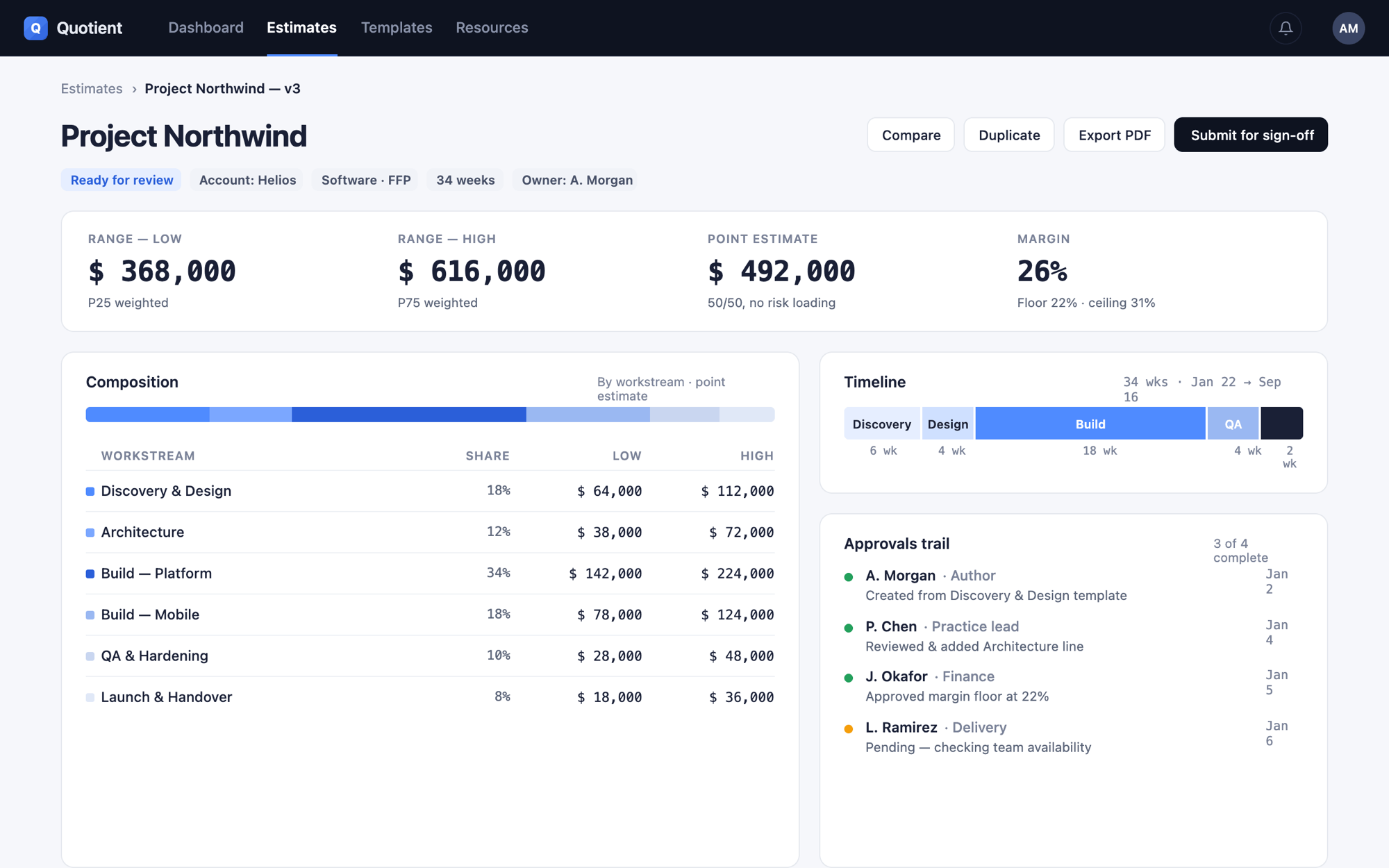
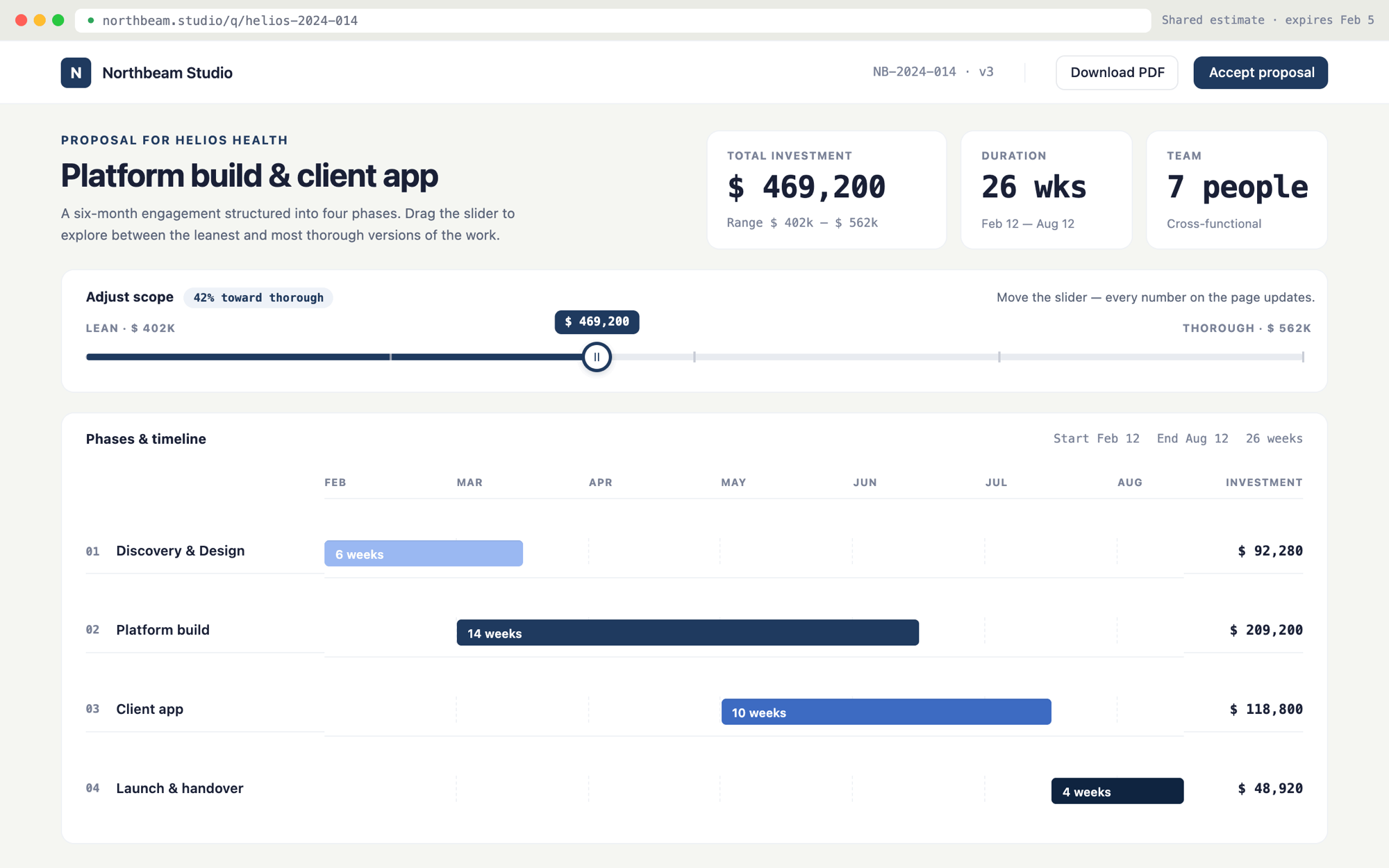
The consulting team now builds, prices, and shares project estimates with their clients in real time, with Salesforce connected and no account setup required on the client side. We turned their Figma prototype into a production-ready platform in thirteen weeks.
Our client is a technology consulting firm based in the U.S.. Their consultants build project estimates every day, breaking work down into practices, workstreams, activities, and roles. That process was running entirely through spreadsheets and manual emails, slowing down collaboration and making it hard to share polished estimates with clients.
Their team had already mapped out the solution in Figma. They needed a team to bring it to life.
"They helped keep the development timeline on track. There was a little bit of overage due to scoping and estimation, but the team identified it early and managed it successfully for project delivery."
CTO, U.S. Technology Consulting Firm (via Clutch)The estimation model had four nested levels, and every pricing change at the bottom needed to ripple upward through the whole hierarchy, updating costs, margins, and timelines along the way. The application also needed to connect to three external systems and support multiple users editing the same estimate simultaneously.
Modeling a four-level estimation hierarchy: the Figma prototype described a nested data structure where estimates contain practices, practices contain workstreams, workstreams contain activities, and activities contain activity details, each with its own pricing, scheduling, and team data. Every level needed sortable tables, CRUD operations, and real-time updates, with a dual low/high pricing model cascading through every calculation.
Connecting three external systems: the application needed to authenticate internal users through Azure AD, pull live account and contact data from Salesforce, and serve real-time updates through Supabase so multiple estimators could work on the same estimate at the same time.
Managing scope growth without slipping the timeline: when the Salesforce integration required more depth than the initial estimate allowed, we flagged the gap early, co-owned a formal change order with the client, and absorbed the expansion without shifting the delivery window.
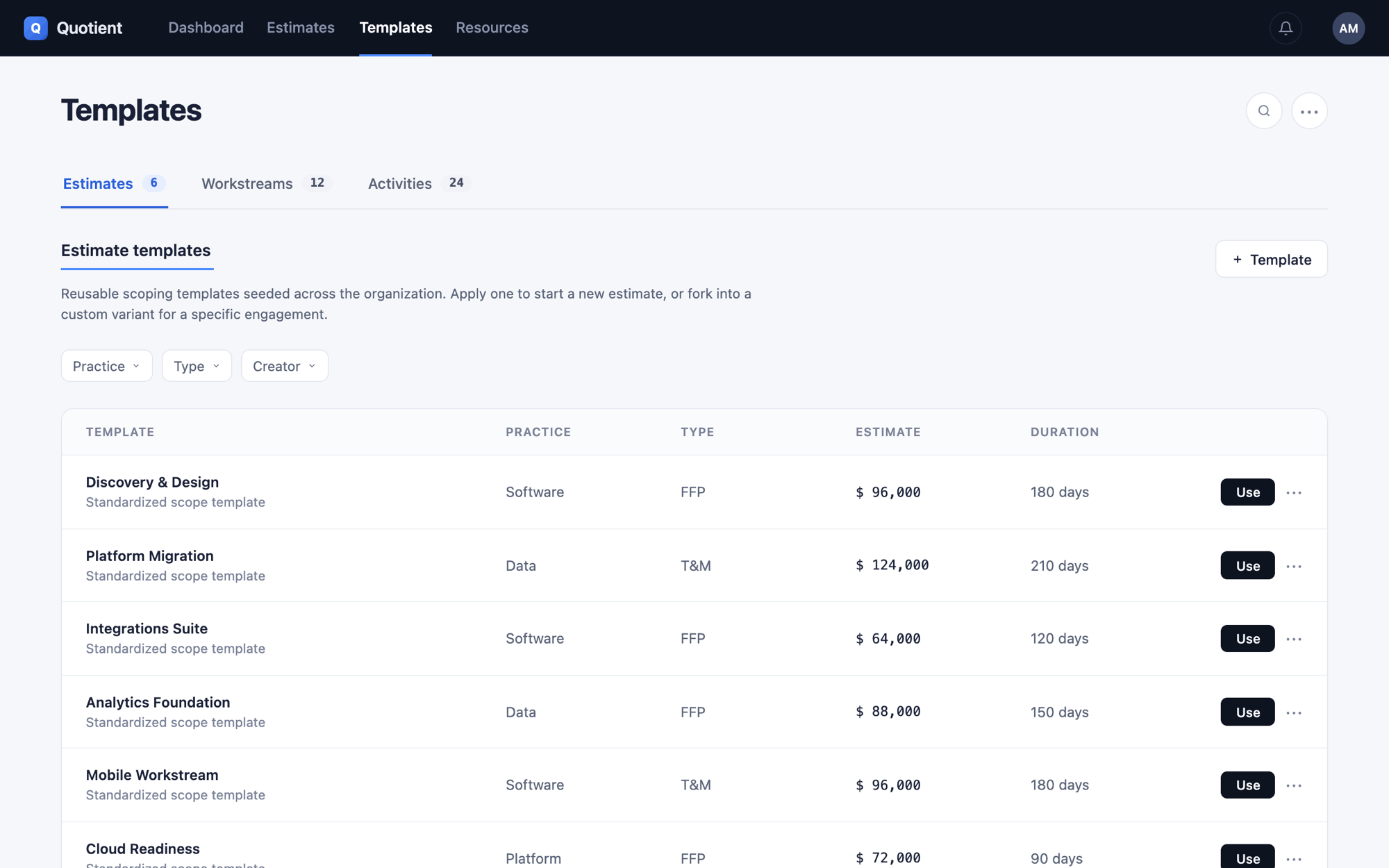
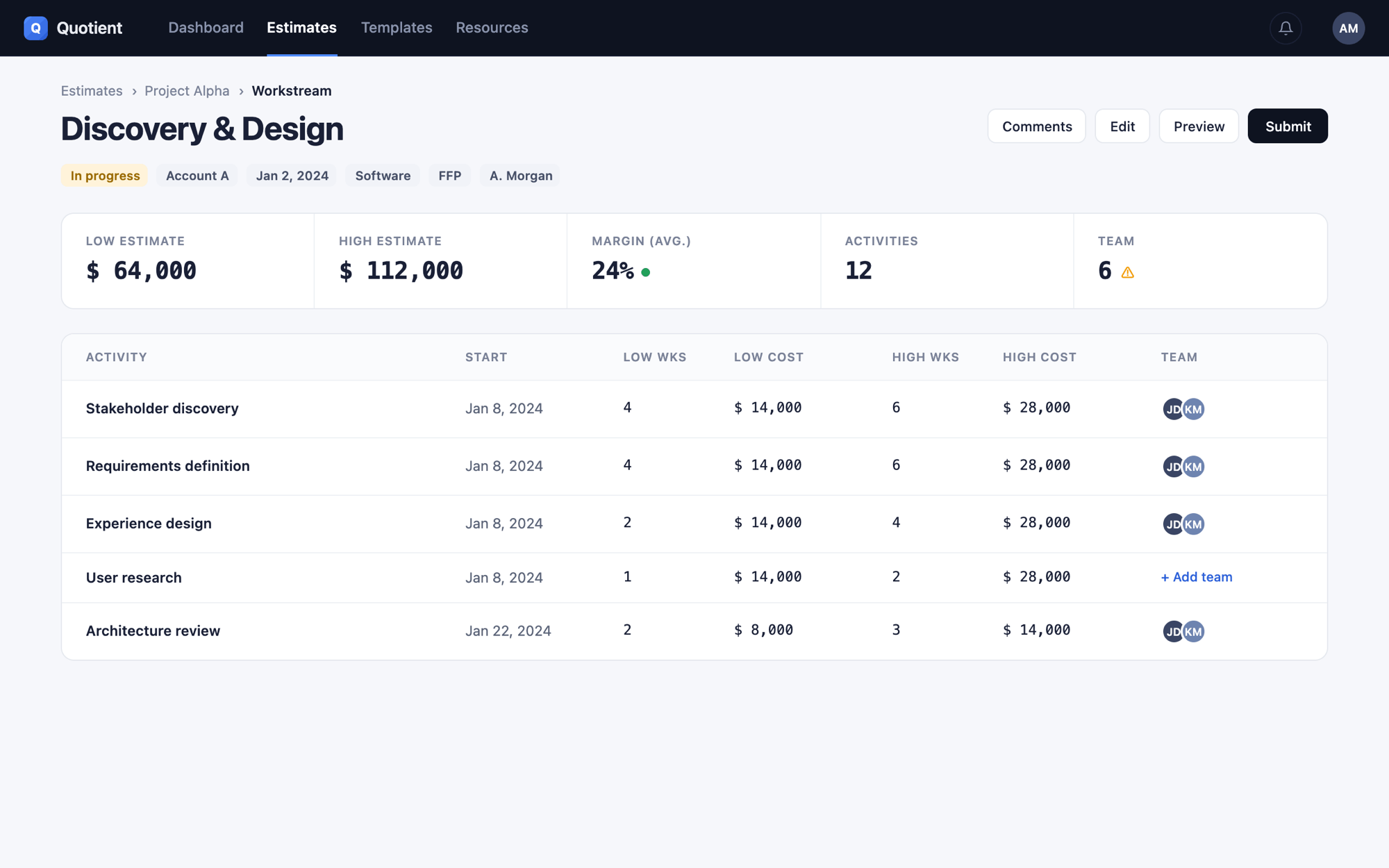
Estimators needed to see each other's changes as they happened, clients needed to review estimates without setting up accounts, and access rules had to hold up across both surfaces. We built on Next.js 14 and Supabase because that combination covered all three: Realtime subscriptions for live collaboration, magic-link OTP alongside Azure AD for the two very different audiences, and Row-Level Security so access rules live in the database itself.
We kept the architecture lean: business logic like margin math, template cloning, and rate-history snapshots lives in Postgres functions and triggers rather than the app server, so each layer stays focused on what it does best.
The consulting team can now build estimates collaboratively, share a polished branded preview with clients through a single link, and spin up a new estimate from a template in minutes.
What we built:
"They provided detailed development documentation that was useful for aligning development and documenting the features. Each development cycle included videos of the functionality as part of the push to the code repository."
CTO, U.S. Technology Consulting Firm (via Clutch)Five of us worked on the engagement: a project manager, two front-end engineers, a backend engineer, and our lead engineer, who is also one of Seta's co-founders. Time zones gave us a full business day of overlap with the client's team, so questions got answered the same morning rather than the next. Weekly demo meetings showed stakeholders working software rather than slide decks, and every code push included a short screen recording of what shipped that sprint, so the client team could follow progress without needing to open a pull request.
When the Salesforce integration turned out to need more depth than the original estimate covered, we flagged the gap as soon as we saw it, walked through the trade-offs with the client, and agreed on a formal change order together. The delivery window held. In the Clutch review, their CTO described it as "identified early by the team and managed successfully for project delivery."
The MVP shipped on schedule and the consulting team moved straight into a user feedback phase. In their CTO's words: "MVP features functioned as documented; now moving to user feedback capture for future updates."
The consulting team collaborates in real time: multiple estimators can work on the same estimate simultaneously, with live stat counters, instant table refreshes, and in-app notifications, all powered by Supabase Realtime.
Clients can review and comment without an account: magic-link sharing and the threaded comment system let customers review, annotate, and compare low/high estimates through a single link.
New estimates spin up in minutes, not hours: the template system and modular data architecture let the team reuse their best work, and the rate-card audit trail keeps historical pricing intact as rates change.
We broke down the Figma prototype, modeled the four-level estimation hierarchy, and groomed a full backlog across six epics.
Azure AD single sign-on, the Postgres schema, Row-Level Security policies, and GitLab CI pipelines for migrations and edge functions all came online in the first two weeks.
The estimates dashboard shipped with stats, CRUD, multi-column sorting, full-text search, and a six-filter bar. Salesforce account search, contacts, and opportunities surfaced inside slideover drawers.
The Salesforce integration required more depth than the initial estimate covered. We identified the gap early, flagged it to the client, and co-owned a formal change order. The delivery window held.
Estimate templates with deep-copy stored procedures, the magic-link client review flow with a low/high range slider, and the Gantt chart with dual bars per workstream went live.
Threaded comments, database-triggered notifications, and the role and rate card module with utilization-based margin calculations rounded out the collaboration and pricing features.
The production-ready platform was delivered on schedule. The consulting team began using it with their clients and moved directly into a user feedback phase to shape future iterations.
What's Next?
The platform is live and generating real feedback from the consulting team and their clients. They are already shaping the next round of priorities: analytics dashboards, advanced reporting, deeper CRM automation. The foundation supports all of them.
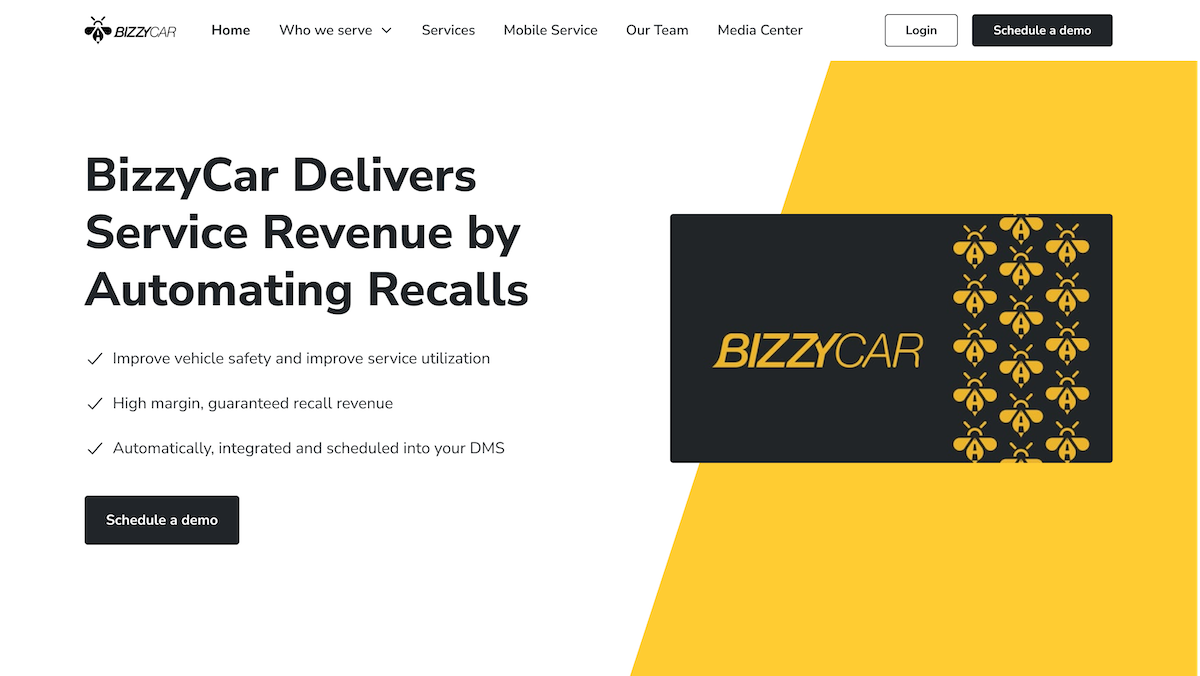
We turned BizzyCar’s prototype into a full-fledged web application, enabling automotive dealerships to manage vehicle recalls effortlessly.
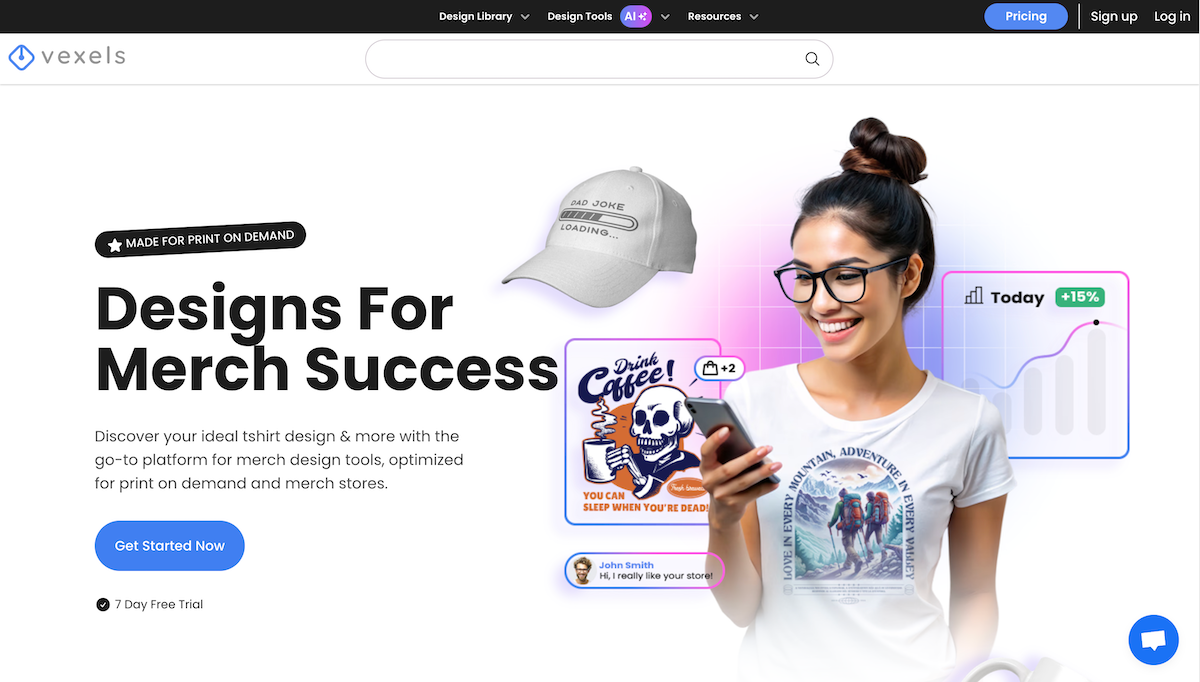
We boosted Vexels' design capabilities by developing advanced tools, improving the overall design experience and user engagement.


We created an interactive mobile app with cutting-edge features to expand the "Che Boludo!" book, bringing its experience to life.
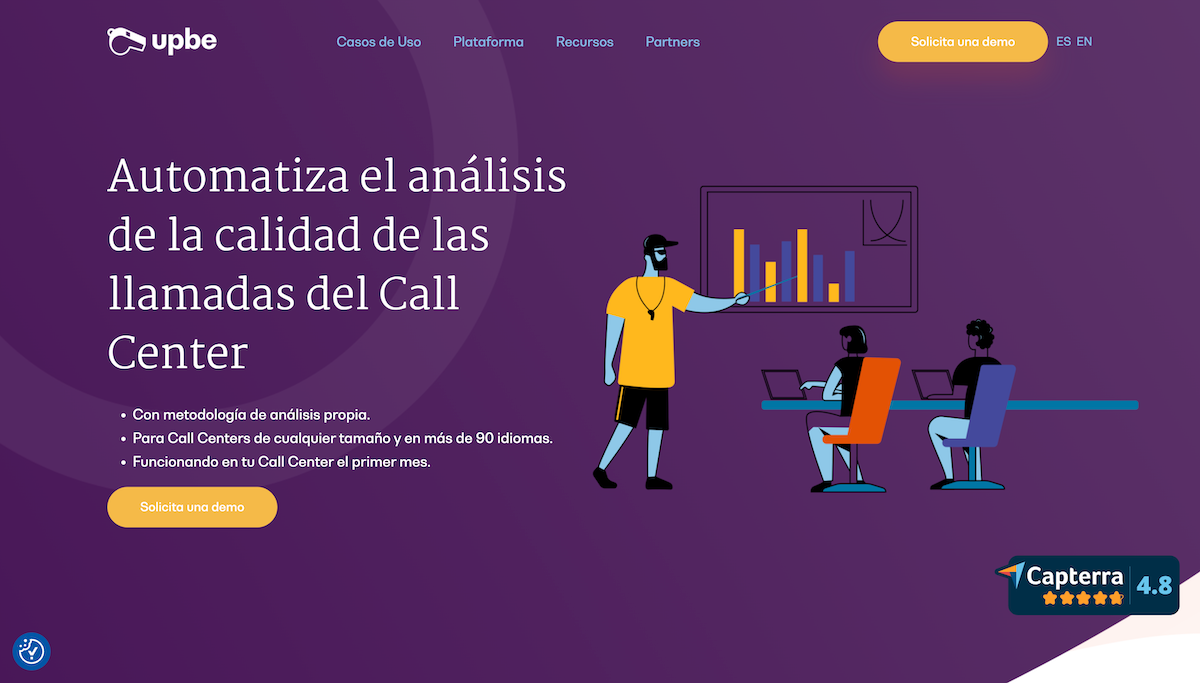
We empowered Upbe with tailored web components for seamless integration, boosting their AI-driven platform’s functionality and insights.

We stabilized a high-volume enterprise's operations, resolved critical issues, and led a seamless migration to modern infrastructure.
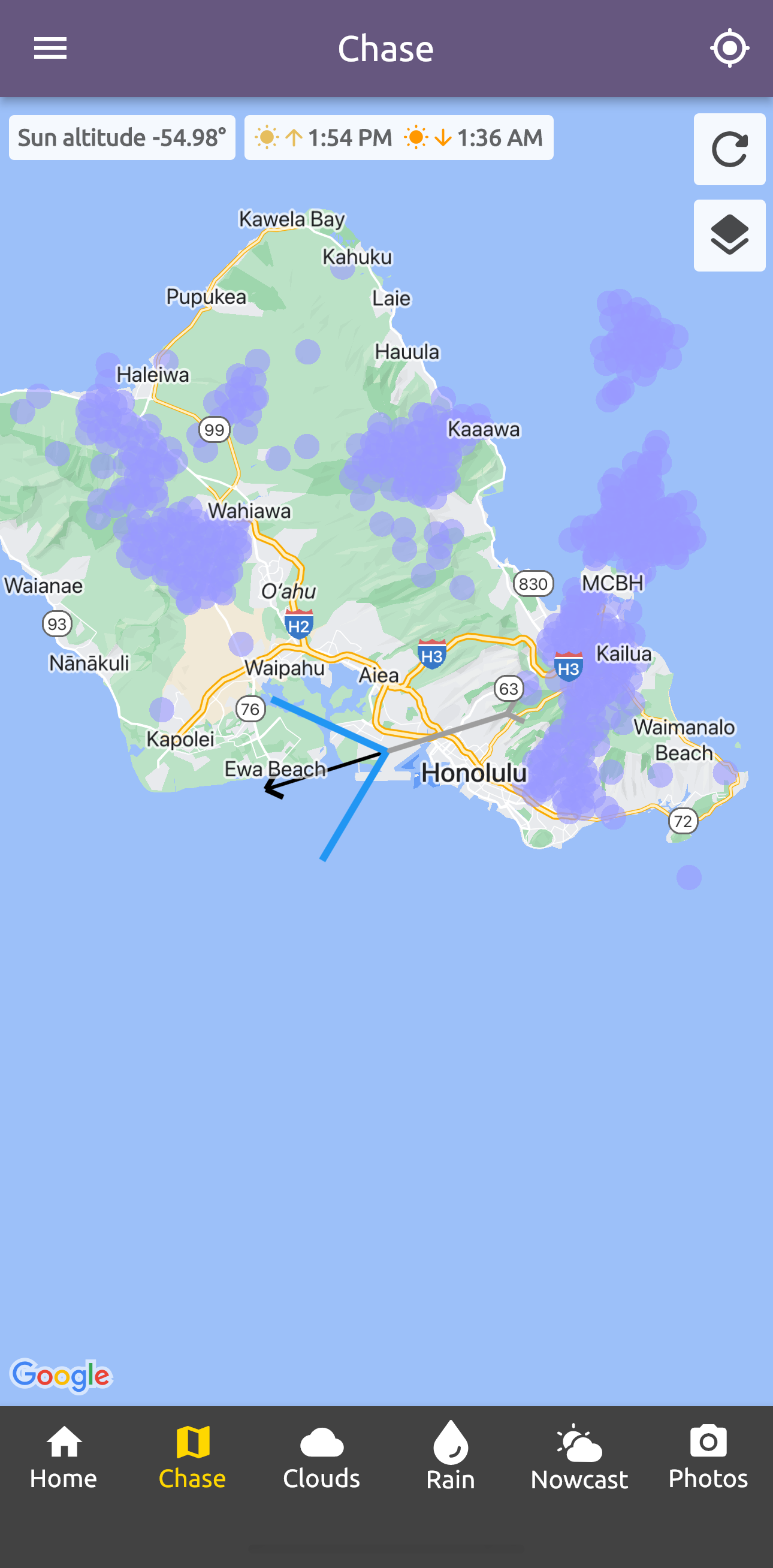
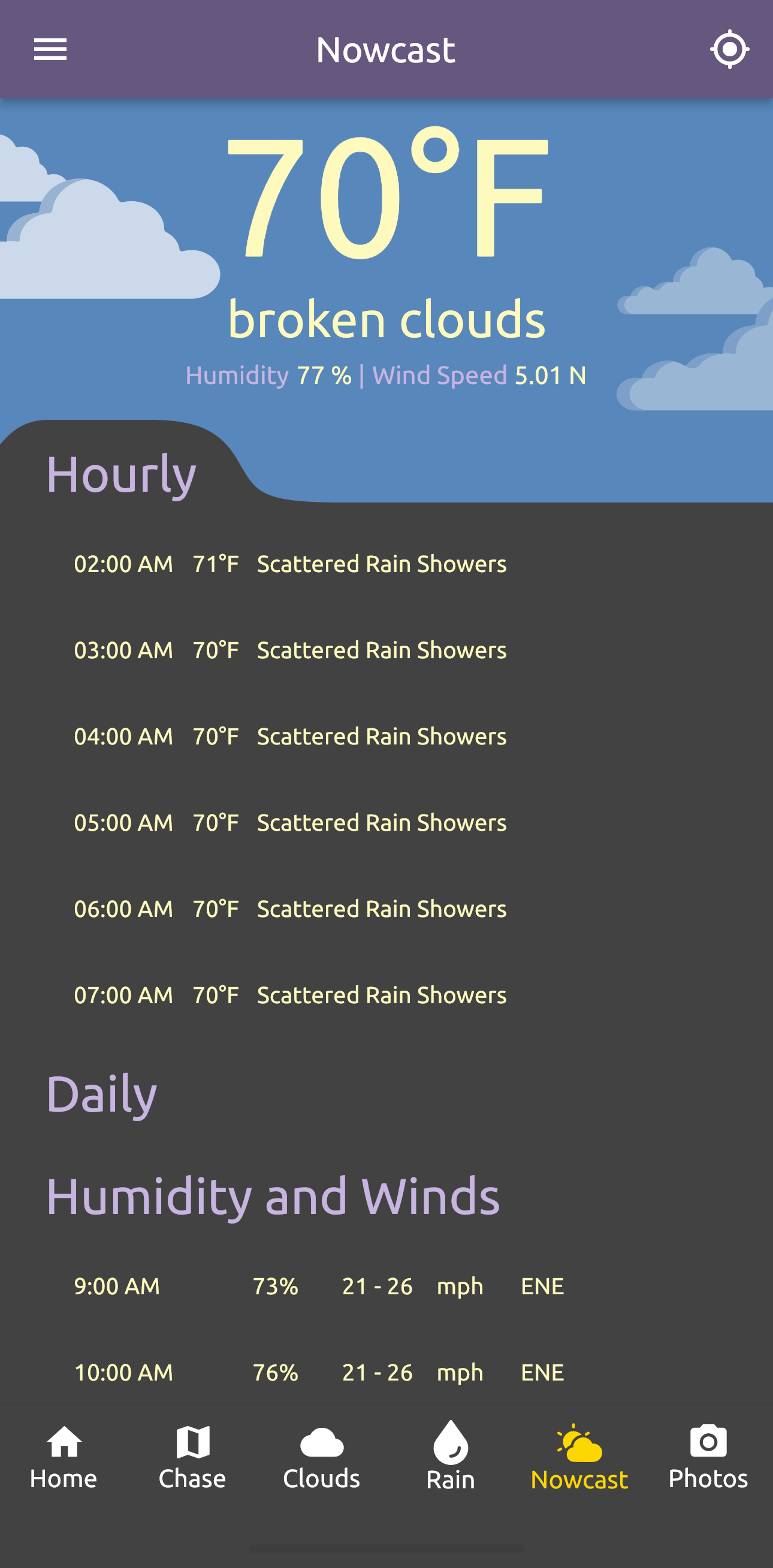
We optimized a real-time rainbow tracking app, by improving performance and expanding coverage for a better user experience.